When you dream about a National Park road trip, North Dakota likely doesn’t make the list. In fact, we’ve driven right by Theodore Roosevelt National Park several times, avoiding the park no one wants to visit. Finally we bit the bullet just to get this park checked off our bucket list and headed west to explore the wide-open prairie.
Wow, were we wrong! This isolated park surprised us again and again. We fell in love with its sweeping badlands, its solitude, its connection to Roosevelt himself, and most of all, its incredible wildlife. Definitely put this park on your own bucket list… it is so worth a visit.
With fewer than a million visitors a year, Theodore Roosevelt National Park is one of the least-visited parks in the system. The park protects over 70,000 acres of rugged North Dakota badlands. Here colorful cliffs rise above endless prairies and the Little Missouri River winds lazily through cottonwood bottoms. This park preserves incredible landscapes and abundant wildlife. More importantly, it is also the story of how this land shaped the conservation movement in America.
Surprise #1: The Massive Wildlife
If wildlife-watching is high on your list when visiting a National Park, you’ll be blown away here. In fact, we saw more animals in Theodore Roosevelt National Park than we’ve seen in any of the other 45 parks we’ve visited.
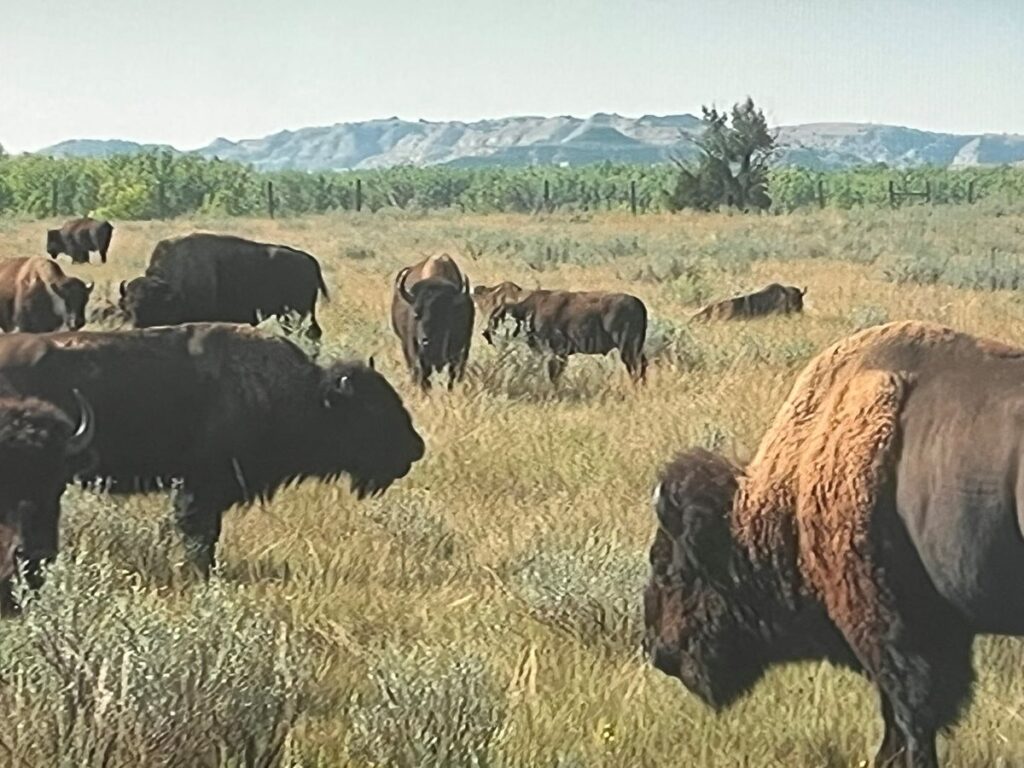
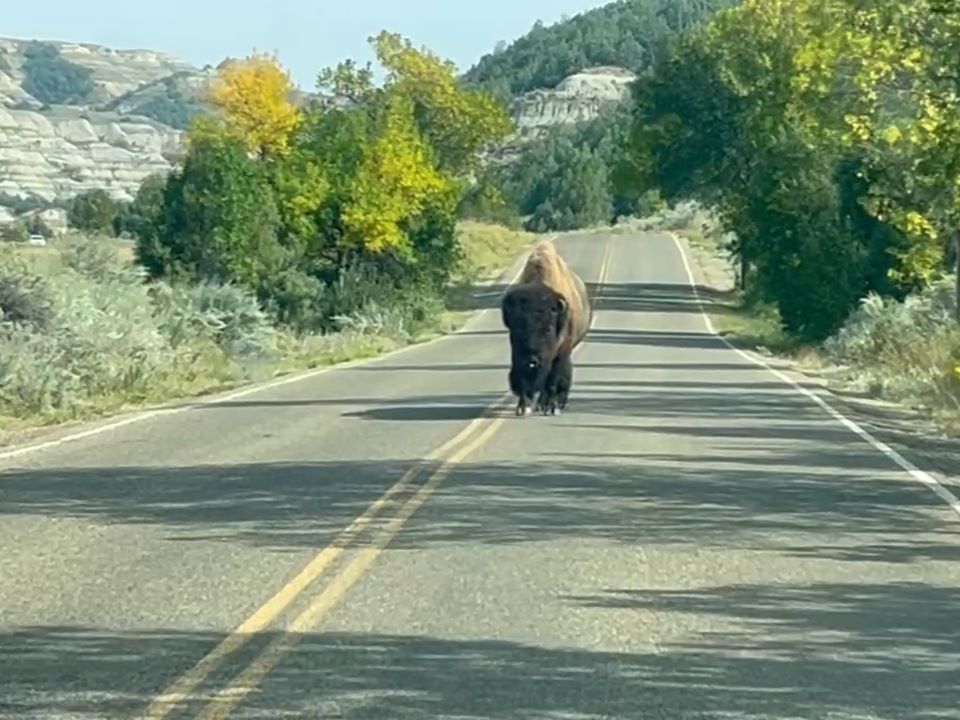
Bison were everywhere. Whole herds grazed along the ridges, while lone bulls wallowed in dusty holes. One even strolled right through our campground as if he owned the place (and honestly, he does). At some point Brad told me I had enough bison pictures. And then a mama and baby popped around the corner… who can resist another picture?
Prairie dog towns stretched across the valleys. We laughed at their little sentries chirping and popping in and out of burrows like a real-life whack-a-mole game.
My heart stopped when we found the wild horses. Seeing them crest a ridge at sunset, manes blowing in the wind, felt like stepping back into another century. We also spotted pronghorn racing across the plains, deer quietly grazing at dusk, a coyote slinking through the grass, and even wild turkeys marching along the roadside.
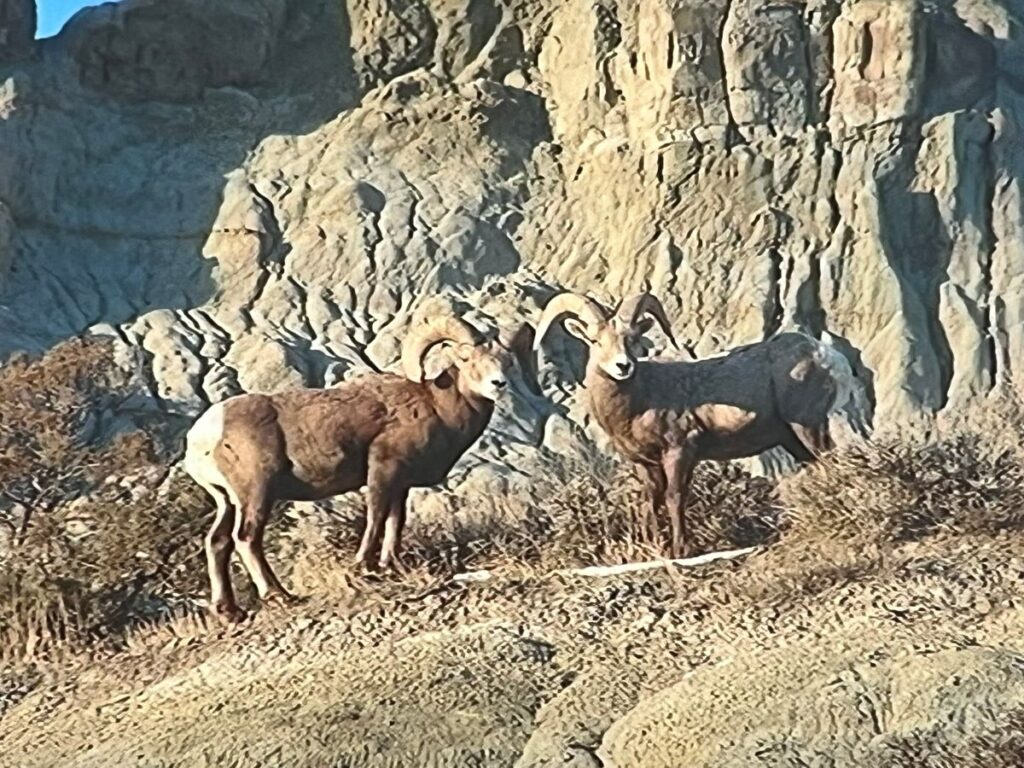
Every bend in the road or trail brought something new. This is the kind of place that makes you slow down, stay quiet, and remember why these wild places are so important. Theodore Roosevelt National Park is a park where wildlife still feels wild.
Surprise #2: The Rugged Badlands Beauty
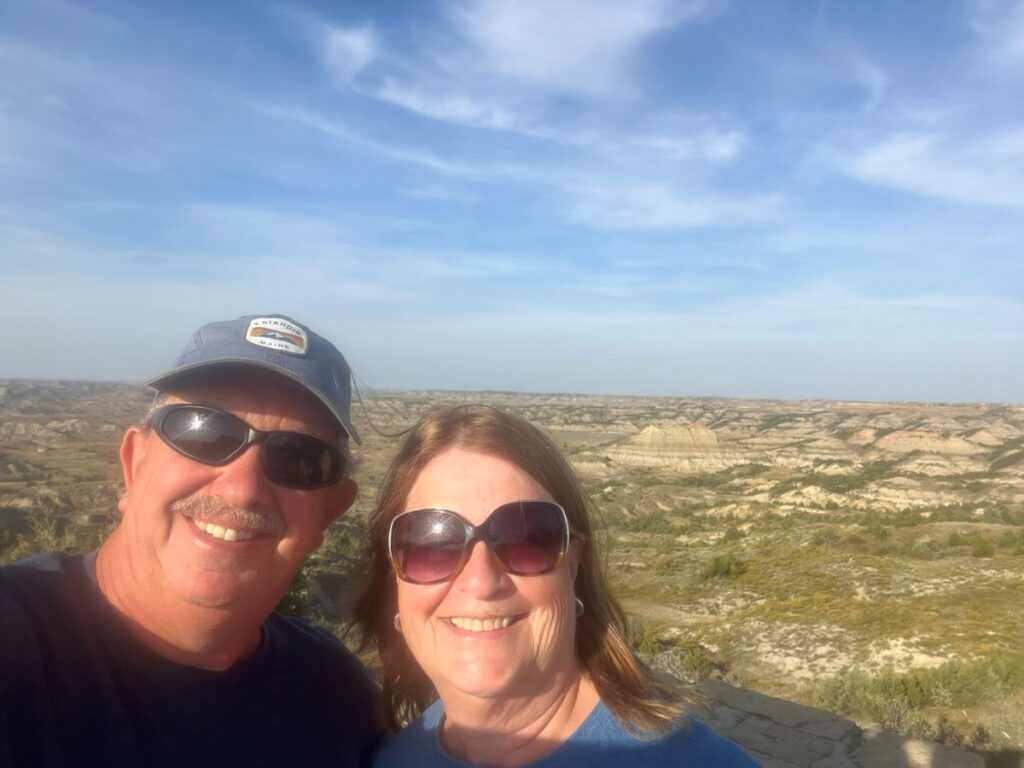
As you cross North Dakota, Theodore Roosevelt National Park suddenly rises from the endless prairies. It is carved into colorful striped cliffs, rugged buttes, and winding valleys, all shaped by the Little Missouri River. Every overlook revealed a new jaw-dropping view that we hadn’t expected to find.
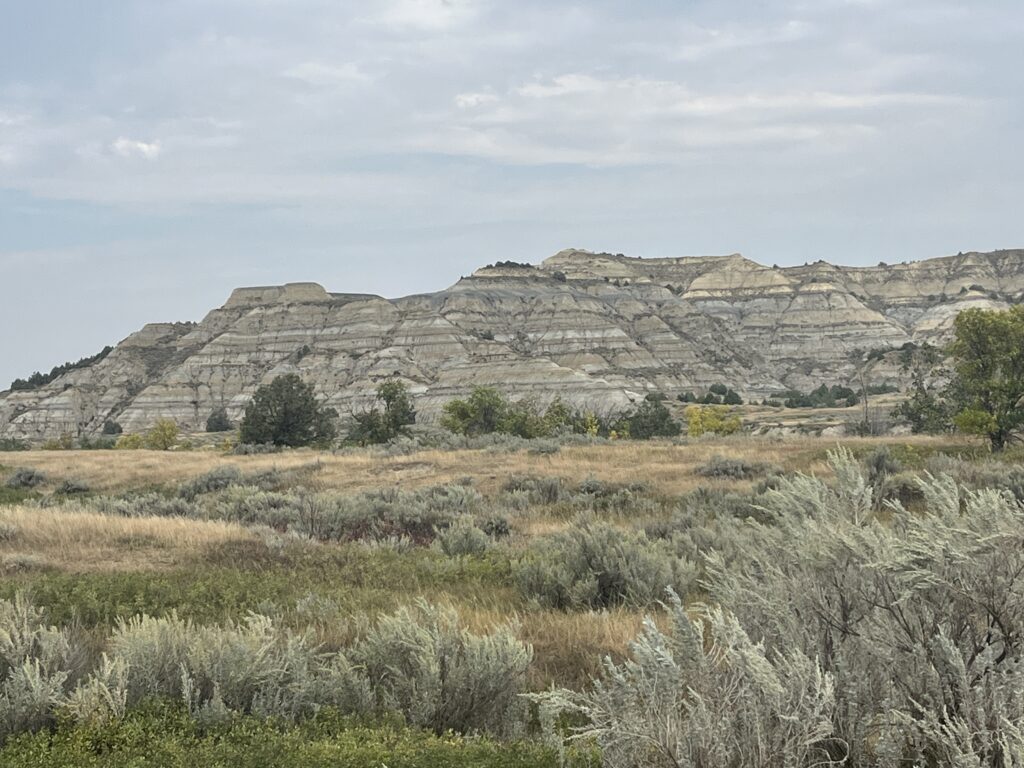
We’ve explored the South Dakota Badlands, but these felt different. Wilder. Quieter. And maybe even more beautiful because there weren’t crowds jostling for the best photo. The colors in the rock layers seemed more vivid. Reds, yellows, greens, blues and grays told stories of earth’s changes over millions of years.
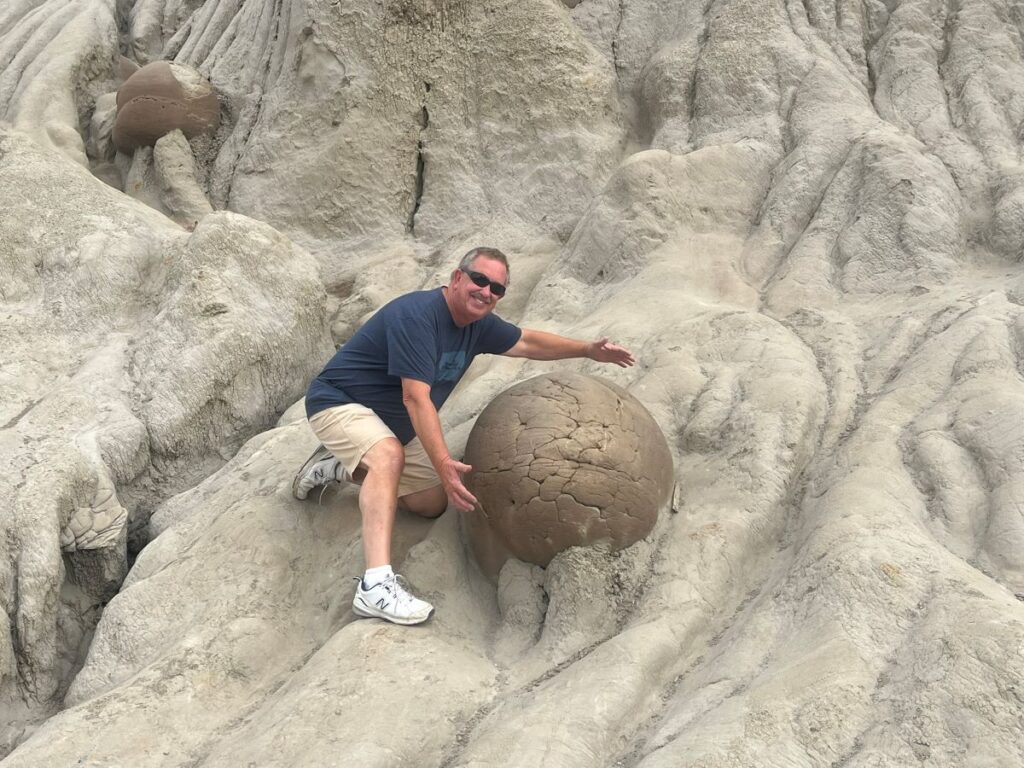
Driving the scenic loops, we found ourselves pulling over constantly to soak in landscapes that seemed to stretch on forever. You might enjoy short hikes like the Wind Canyon Trail with sweeping river views. Or try longer treks that lead deeper into the heart of the badlands. It was a constant reminder that North Dakota has more to offer than endless prairie.
Surprise #3: From “Consumptionist” to Conservationist
The park’s namesake, Theodore Roosevelt, is often remembered as the “conservation president.” But what surprised us most was learning that he didn’t come here as a conservationist at all.
In 1883, Roosevelt arrived in this rugged country as a wealthy young man from New York, eager for adventure and determined to hunt a bison. As the bison herds were already slaughtered to near extinction, his hunt was difficult. He also bought into the romantic idea of the West and even tried his hand at ranching. At first, the land was simply something to conquer and consume.
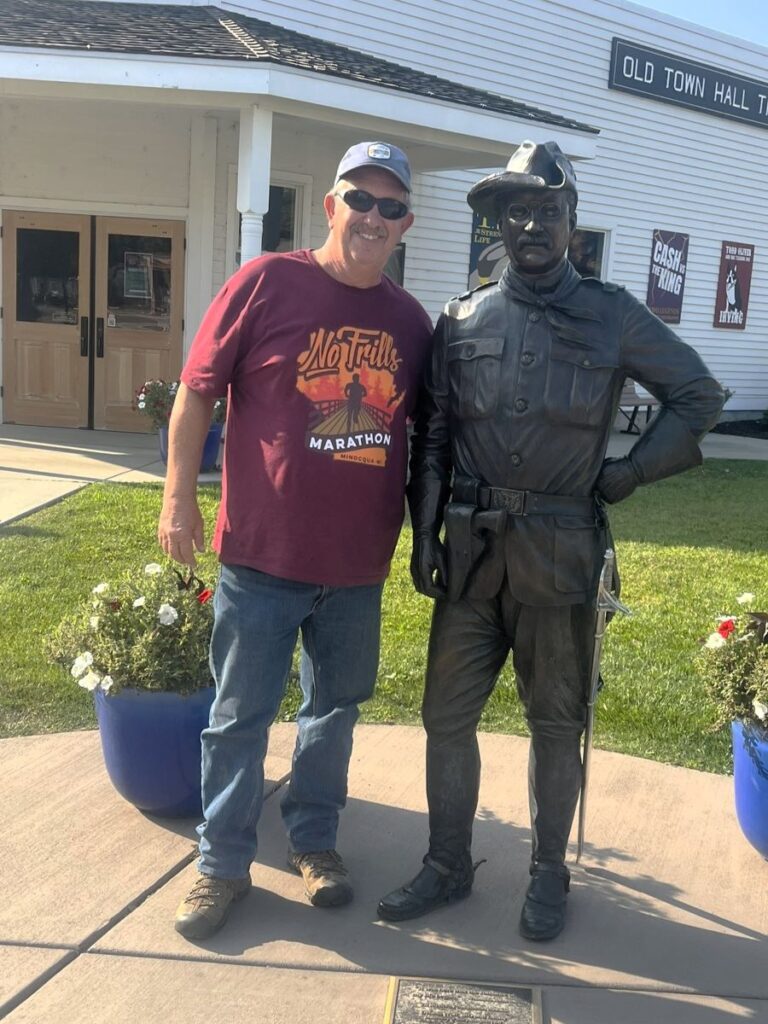
But living here changed him. Roosevelt watched as overgrazing, drought, and overhunting devastated the fragile ecosystem. His ranch failed, and he came face to face with the reality that without care, these wild lands and the creatures that depended on them would vanish.
That experience transformed him. As president, Roosevelt set aside over 230 million acres of forests, wildlife refuges, and National Parks ensuring they would be protected for generations. Standing on the ridges of Theodore Roosevelt National Park today, you can almost feel that turning point in his life.
For us, walking his ranch and watching bison graze where he once hunted was a powerful way to experience his dream. This land didn’t just shape the man, it helped shape the entire American conservation movement.
Surprise #4: The Solitude
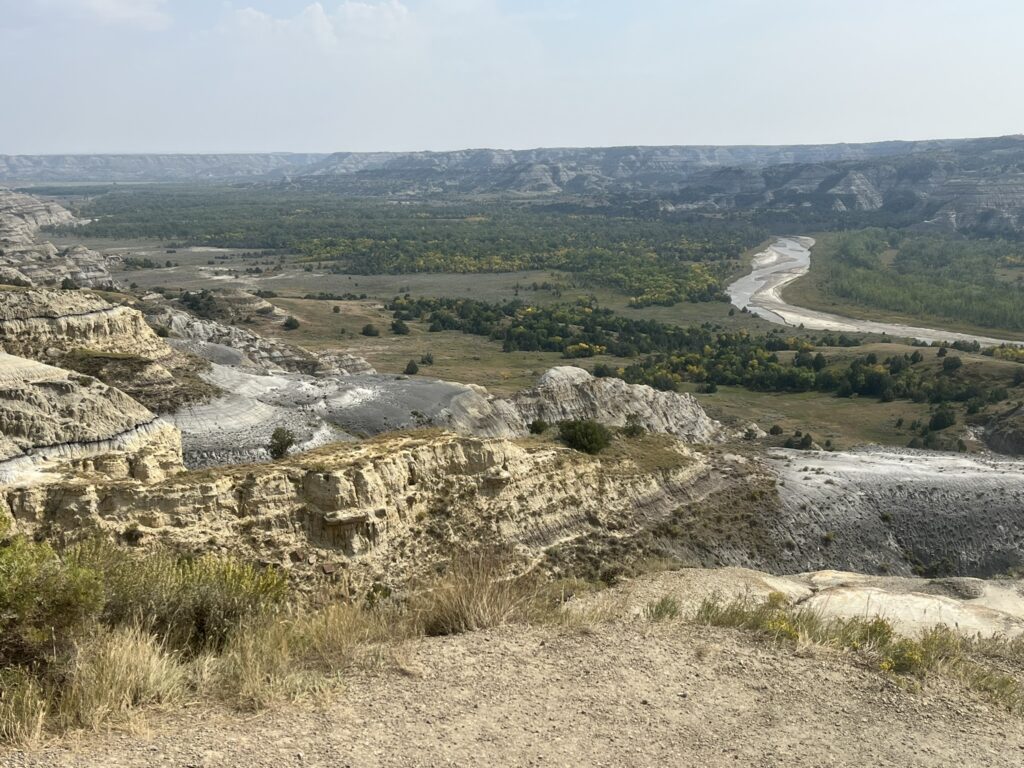
Another surprise was just how much space there is to spread out here. Theodore Roosevelt National Park covers more than 70,000 acres, and it’s divided into two main sections. You enter the South Unit, near the town of Medora, right off Interstate 94. However the North Unit is about an hour’s drive North. Each has its own unique character, and because the park is so large and so lightly visited, it often felt like we had it all to ourselves.
We enjoyed touring the scenic drives at our own pace, without worrying about “that car” sitting on our bumper. And the scenic overlooks had room to linger in peace, with nothing but the wind for company. Even the campgrounds were spacious with a sense of wildness that’s rare in many of the more crowded parks.
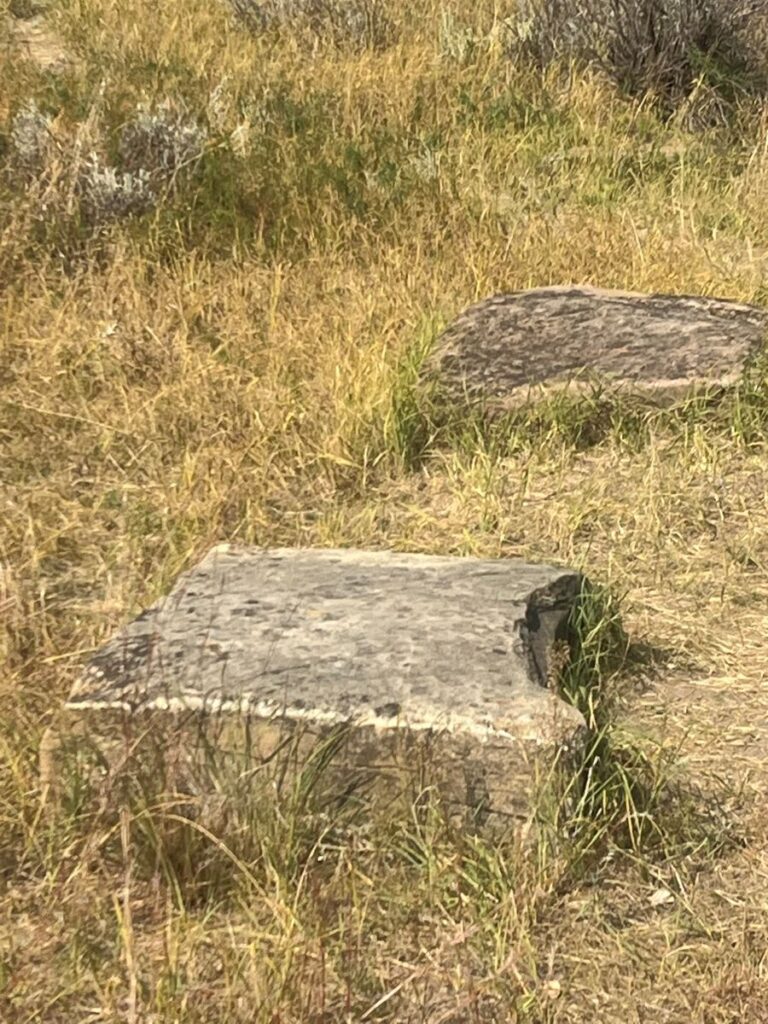
The most remote corner of the park, though, is the Elkhorn Ranch Unit, the site of Roosevelt’s second ranch. I questioned Brad’s sanity when he choose to make the drive. It is a very bumpy rough dusty gravel road and it took us over an hour to go from the main visitor center to the ranch trailhead. I’m so glad he persisted. Today, the ranch house is long gone. But you can still see the foundation stones and stand among the cottonwood trees where Roosevelt once lived. It’s quiet, almost haunting, and you can feel the solitude that shaped his reflections on land, loss, and responsibility. For us, it was the kind of visit that stays with you long after you leave.
Surprise #5: Accessibility for All Travelers
For all its wildness, Theodore Roosevelt National Park is also surprisingly easy to explore. The scenic loop drives in both the North and South Units offer incredible views without requiring long hikes. It’s perfect if you’re short on time or traveling with kids. Wildlife often comes right up to the road, so you don’t need to trek miles into the backcountry to see bison or prairie dogs.
There are plenty of short, family-friendly trails, like the Painted Canyon Nature Trail or Buck Hill, where you can climb just a short distance for sweeping views. For those who want to dig deeper, longer trails wind through the badlands, offering options for every level of hiker.
I loved the campground so much that I’ve added it to my top National Park Campgrounds list! While it only has the basic amenities, we loved the large camp sites. Our favorite sites were along the river where we watched the sun set and woke up to bison wandering down the stream. And you’ll still feel close to nature (especially if a bison or turkey decides to wander through). And if camping isn’t your thing, the nearby town of Medora provides lodging, restaurants, and even a touch of Old West entertainment.
It’s a rare combination — a park that feels remote and wild, yet offers easy ways for travelers of all ages and abilities to experience its beauty.
Tips for Planning a Visit
If you’re ready to add Theodore Roosevelt National Park to your own bucket list, here are a few things we learned that might help:
- Best time to go: Spring and fall are ideal, with mild weather and active wildlife. During our September trip days were still fairly warm and nights were perfect cool camping weather. Summer can be a great time for family vacations. Temperatures are usually in the 70s and 80s, but can feel much warmer because shade is quite limited. While Winter brings it’s own beauty to the park, winter visitors face bitter cold and snow plus occasional road closings.
- How long to stay: Give yourself at least two to three days if you can. That’s enough time to explore both the South and North Units, and maybe make the trek to the Elkhorn Ranch. We met campers who were staying a full week because they enjoyed the slower pace of the park.
- Driving distances: Remember the two main sections of the park are an hour apart. Build that drive time into your schedule, but don’t worry as the route itself is a beautiful slice of North Dakota prairie.
- Pair it with other stops: Theodore Roosevelt National Park makes a great addition to a larger road trip. You can pair it with a trip through South Dakota as we did, continuing on to explore Badlands National Park, Mount Rushmore and Wind Cave National Park. Or if coming from the East you can easily a loop up to Glacier National Park and add in Yellowstone and Tetons.
- Prepare for solitude: There are no services once you’re inside the park. Stock up on water, snacks, and gas in Medora before you head out. Note that the town of Medora is fairly isolated itself, so the cost of basic items can be a bit higher than back home.

Grab Our Gift To You:
Get A Free Printable National Park Checklist Here
Why This Park Should Be on Your List
We came to Theodore Roosevelt National Park expecting to “check the box” on a park we thought no one really wanted to visit. Instead, it surprised us at every turn. From the abundance of wildlife to the stunning badlands, from the deep solitude to the story of Roosevelt’s transformation, this park left a bigger impression than we ever imagined.
If this land could change a young, adventure-seeking hunter into the president who safeguarded 230 million acres of public land, imagine what it might do for you. Theodore Roosevelt National Park isn’t just another stop on a road trip. It’s a place that reminds us why our wild lands matter, and why they deserve to be protected.
So don’t make the mistake we almost did. Put this park on your list. You may just find, like we did, that the park no one talks about is one you’ll never forget.
